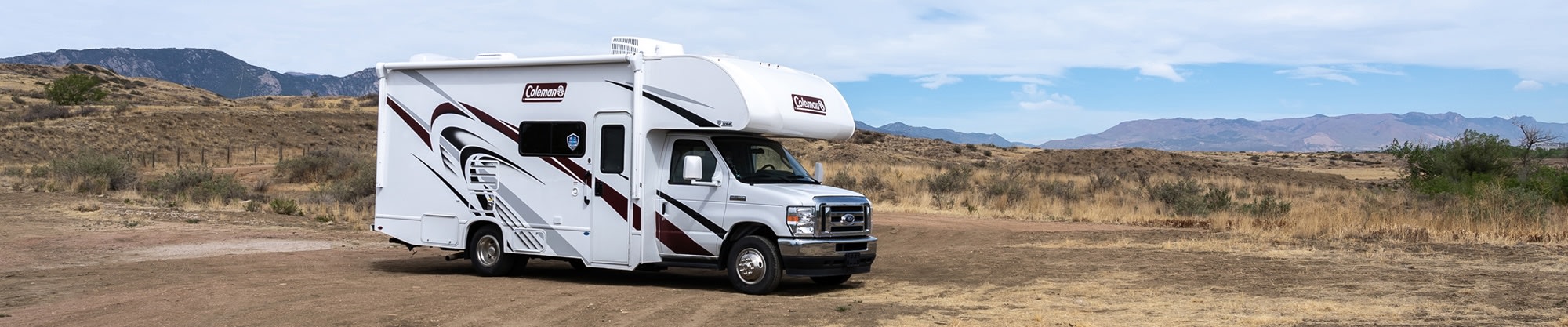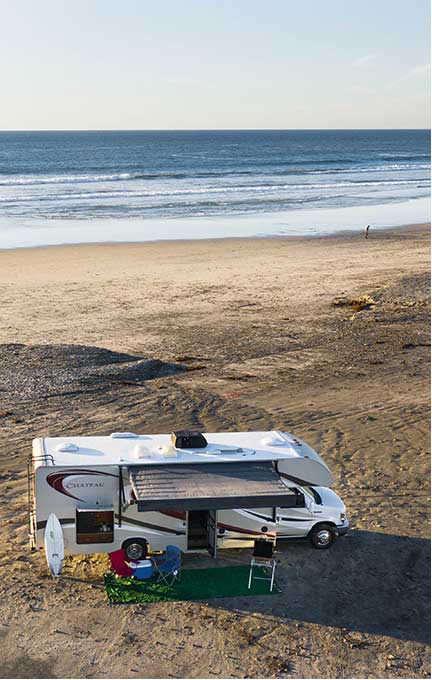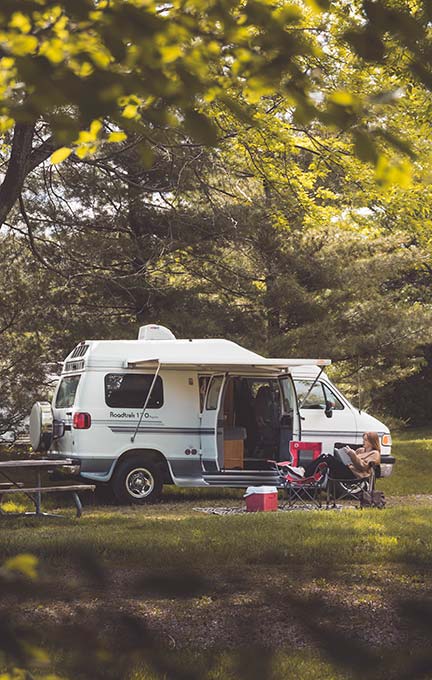

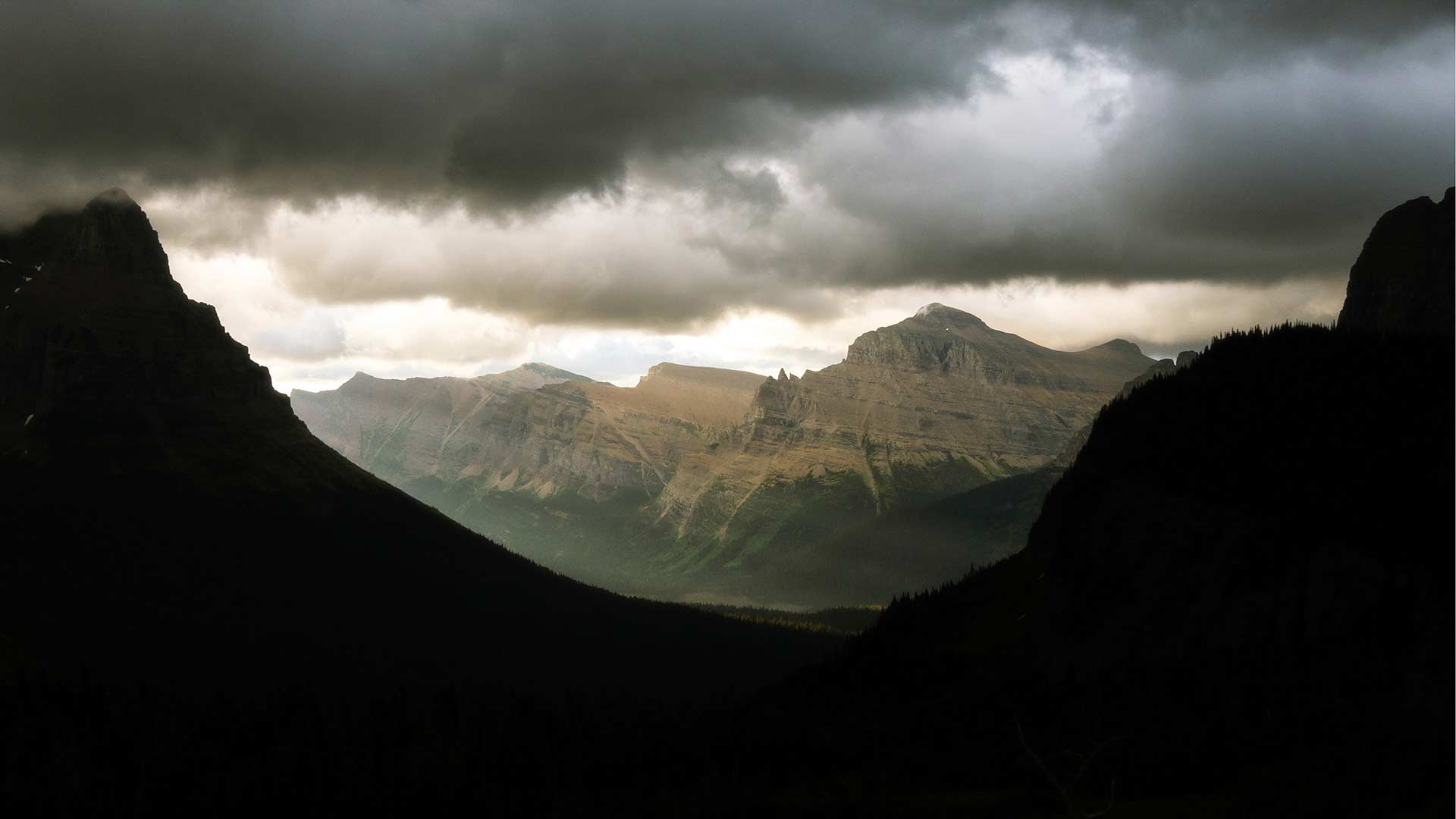
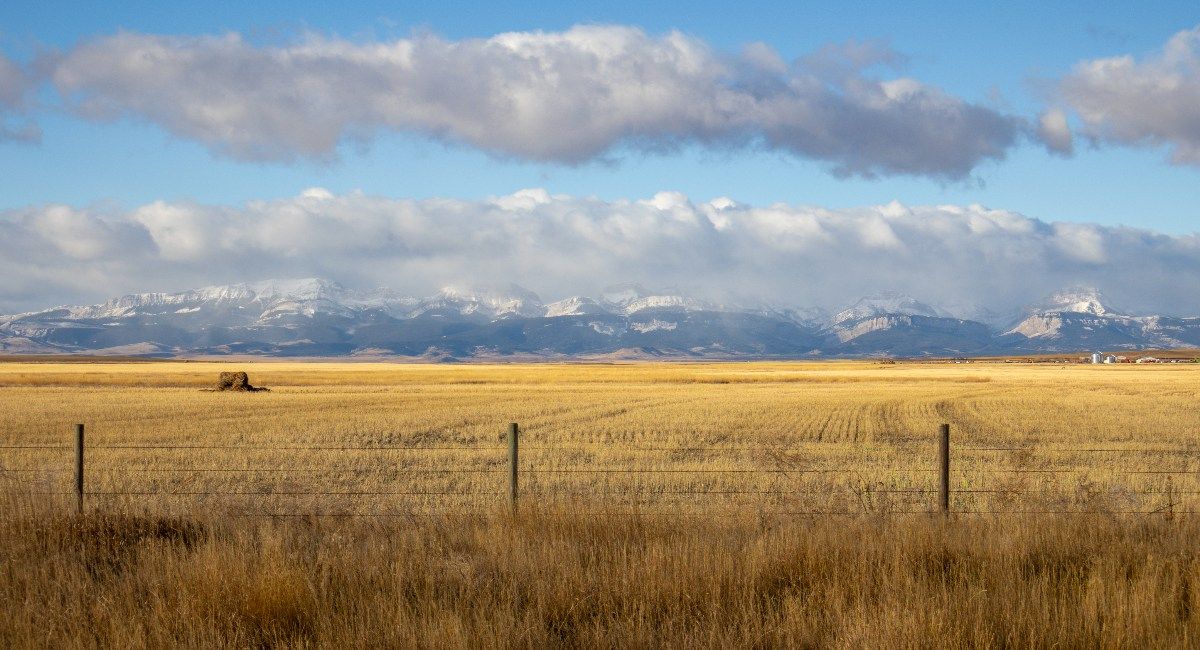
Montana is a great state to RV in — 630 miles wide, four national-park or near-park gateways, and some of the best lake camping in the lower 48. But the size is also the trick. A trip planned around Glacier has almost nothing in common with a trip planned around Yellowstone or the Beartooth. So before you start picking campgrounds, pick your gateway. That's the move.
Buckle up. We'll break this down by region — Glacier west and east, Yellowstone, Flathead Lake, Bozeman and Paradise Valley, the Beartooth corridor out of Red Lodge, Helena, and Missoula and the Bitterroot. Each section has the campgrounds we'd point an Outdoorsy renter toward, plus the practical detail you need to actually pull in with a 35-foot rig and a happy slide-out.
Quick read:
- Glacier: West Glacier KOA for big rigs with 50-amp full hookups; St. Mary Campground inside the park on the east side if you score the 6-month reservation window.
- Yellowstone: Mountainside KOA at 7.5 miles from the West Entrance; Red Lodge KOA at the base of the Beartooth for rigs up to 68 feet.
- Flathead and Helena: the Montana FWP state-park system — 50-amp electric where it exists, $34 peak / $24 off-peak, plus the $9 reservation fee that everyone forgets to budget for.
For July and August, reserve six months out at in-park Glacier sites and the popular state parks. KOAs and private resorts are generally bookable a few weeks ahead. Camping shoulder-season (late May to mid-June, or September) changes the math entirely — fewer biting bugs, emptier trailheads, and walk-up availability at sites that vanished by 10am in July.
Which Montana gateway are you aiming at?
Seven gateways carry most of the RV traffic in this state. Glacier (west and east, treated separately because the drive between them is two hours minimum), Yellowstone via West Yellowstone or Gardiner, Flathead Lake, Bozeman and Paradise Valley, the Beartooth corridor out of Red Lodge, the Helena capital region, and the Bitterroot Valley around Missoula.
In our experience helping Outdoorsy renters plan Montana trips, picking on three variables usually solves it: distance from your headline trailhead, what your rig actually fits in (length, height, slide-out clearance), and whether you want a hookups-and-pool resort or a $24 lakeside state-park site with a vault toilet. Both are honest answers — and Montana has plenty of each.
For the full Outdoorsy Montana campground inventory, the Montana RV parks and campgrounds hub is the starting point. If you still need a rig, RV rentals in Montana shows owner-listed pickups near every gateway in this guide — which generally saves a half-day of towing.
Where do you camp for Glacier National Park?
Glacier has a west side and an east side, and they're a long way apart — about 90 miles around the south end of the park via US-2, longer when Going-to-the-Sun Road isn't fully open. Pick the side that matches your trail list, then pick the campground.
West Glacier KOA
West Glacier KOA sits 2.5 miles from the west entrance, just off US-2 in Coram. Pull-through and back-in RV sites run 50/30/20-amp full hookups; the deluxe patio sites have concrete pads, propane grills, and enough spacing that your neighbor's slide-out doesn't end up in your awning. Per the KOA West Glacier listing, the resort also runs guided tours and Red Bus excursions — which matters if your rig is over 21 feet (more on that in the FAQ below).
For a Class A, a fifth-wheel, or any motorhome over 30 feet, this is generally the easy answer on the west side.
Whitefish Lake State Park
If you want quieter and cheaper, Whitefish Lake State Park on the northwest edge of Whitefish has 25 tent/RV sites with lake access. It's a 45-minute drive to the Glacier west entrance — not the closest base — but Whitefish itself has the better trailhead-and-restaurant town. Reserve well ahead; this one fills the day reservations open.
St. Mary Campground
For the east side, St. Mary Campground is your best big-rig option inside Glacier. Per recreation.gov, it has 148 sites, with 25 of those long enough for a 35-foot RV and three that handle up to 40 feet. Reservations open six months ahead — we've watched the long sites disappear in the first hour every year.
One detail that catches renters out: generator policy is strict. 8–10am, 12–2pm, and 5–7pm only, and generators are banned from Loop A entirely. If you run a residential fridge off battery, plan for that — the loop assignment isn't negotiable on arrival.
Many Glacier Campground
Many Glacier is the postcard side of the park — Grinnell Glacier, Iceberg Lake, the historic hotel on Swiftcurrent. 109 sites total. Per the National Park Service, most sites won't fit anything towed over 21 feet, and slide-outs are prohibited at most sites. If you've got a Class B van or a truck-camper, this is the dream site. If you've got a fifth-wheel, leave it at St. Mary and shuttle in.
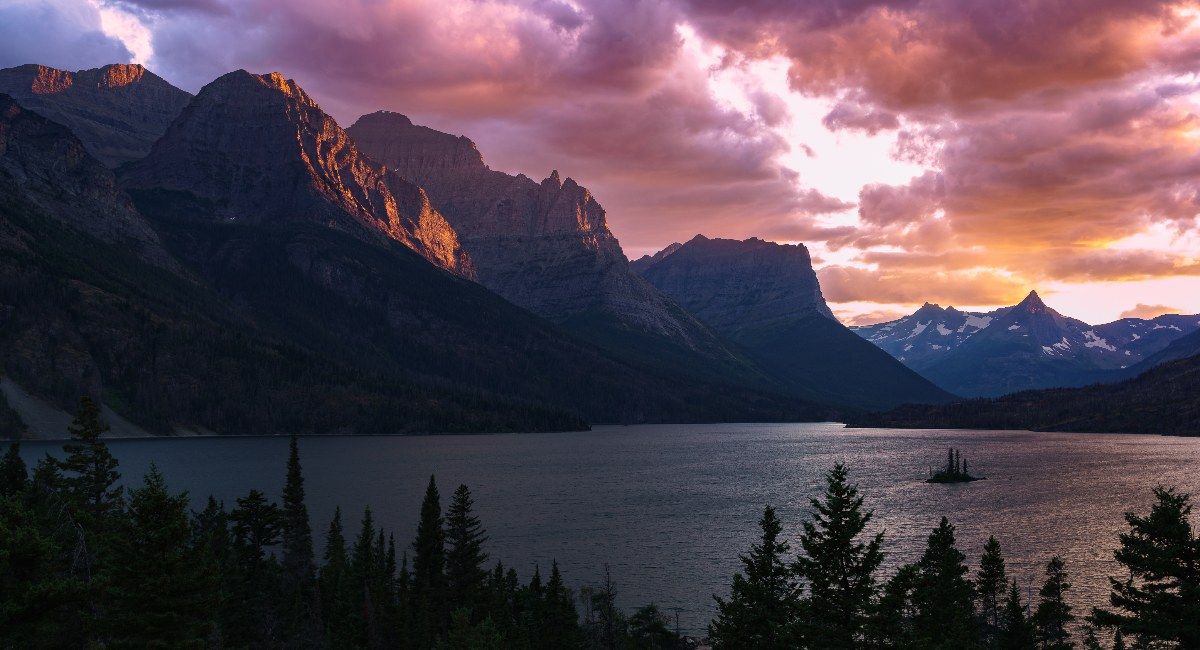
Where do you camp for Yellowstone from the Montana side?
Montana has three Yellowstone gates: West (West Yellowstone), North (Gardiner), and Northeast (Cooke City via the Beartooth Highway). Most RV traffic uses the West gate. The Beartooth route is the bucket-list drive — and the more interesting story.
Yellowstone Park / Mountainside KOA
Out of West Yellowstone, the Yellowstone Park / Mountainside KOA is 7.5 miles west of the gate on US-20. Pull-thru full-hookup KOA Patio sites come with a private patio, picnic table, four chairs, a polywood rocker, propane grill, and fire pit. The 20-amp back-in water-and-electric sites are sized for vans and tent trailers up to 15 feet — generally not the right pick for a 25-foot Class C without measuring first.
Pets are allowed on every site type, which is a small thing until you're traveling with a Lab who isn't allowed on Yellowstone's trails anyway.
Red Lodge KOA
For the northeast approach, Red Lodge KOA is 4 miles north of Red Lodge on US-212. 78 sites, big-rig access up to 68 feet, 30/50-amp hookups, a small heated pool, a dog park, and the kind of clean bathhouses that we hear about positively from Outdoorsy renters who base here.
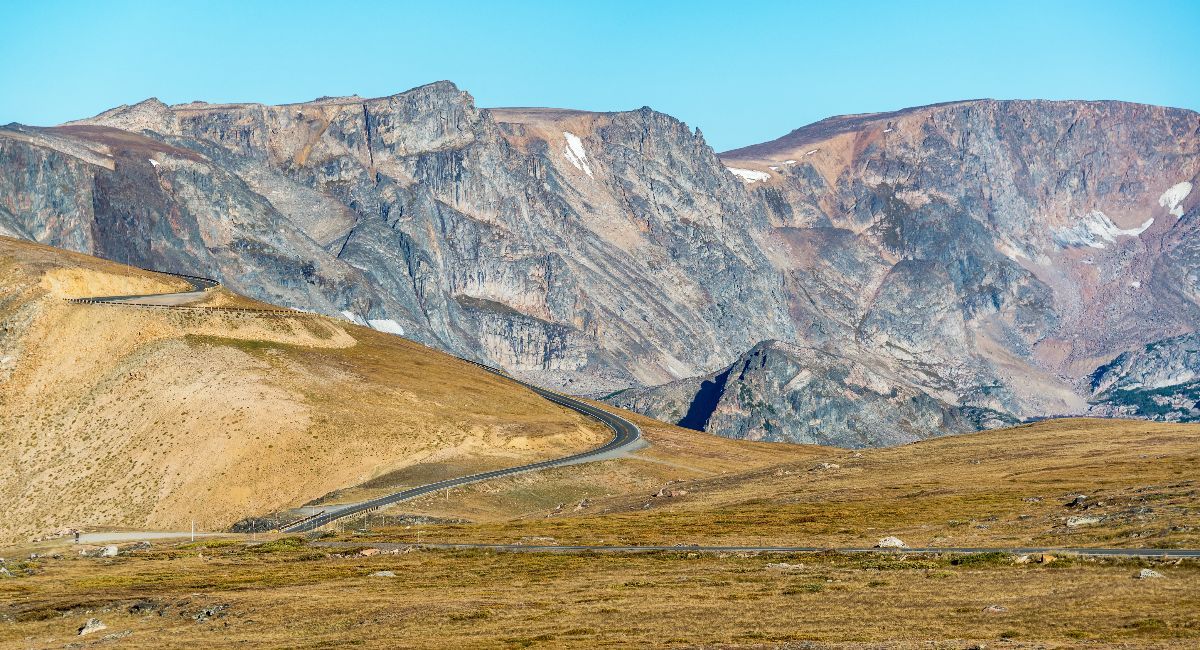
The Beartooth Highway opens the Friday of Memorial Day weekend (May 22 in 2026, weather permitting) and closes around October 15 per the Custer Gallatin National Forest. The road crests at 10,947 feet. If you're towing a fifth-wheel up, downshift before the descent — engine braking saves your trailer brakes from the kind of fade that ends trips. RVers who've made that mistake once generally don't make it twice. Check MDT's road conditions report the morning you plan to drive up; the road can close for forecast snow without much notice.
What about Flathead Lake and the lake country?
Flathead Lake is the largest natural freshwater lake west of the Mississippi. The west shore has the state-park camping; the east shore has private resorts and cherry orchards.
West Shore / Flathead Lake State Park
West Shore sits 6 miles south of Lakeside on US-93. Per Montana FWP, it has 33 campsites — 7 tent-only, 12 with 50-amp electric, the rest fully primitive (water spigots, vault toilets, no sewer hookup). RV/trailer max is 40 feet, though the access road has tight switchbacks before the loop — if you're at 38+ feet, scouting it in a tow vehicle first is the smart call.
Reservations through Montana State Parks typically run $34 a night for a 50-amp electric site in peak season and $24 for the primitive sites, plus a $9 reservation fee per stay. The 12 electric sites release on a 6-month rolling window and generally go in the first 10 minutes.
The West Shore destination page on Outdoorsy lists rigs that fit the site sizes here.
By 4pm in July, walk-ups generally have nothing left. That's the trade-off for cheap dolomite-bluff lake camping in the middle of summer — and in our experience, it's usually worth it.
Where to stay around Bozeman, Big Sky, and Paradise Valley?
Bozeman is the airport-to-Yellowstone funnel. If you're flying in and picking up a rig, this is where it happens.
Bear Canyon Campground
Bear Canyon is 3 miles east of Bozeman at I-90 exit 313. 80 RV sites with 50-amp pull-thrus, a heated pool, free Wi-Fi, a dump station, and accepts rigs up to 45 feet. Open May through October.
One thing we'd flag explicitly: there's a 13'3" low bridge under I-90 at the entrance. We've heard enough stories about tall fifth-wheels and Class A rigs with rooftop ACs hitting it to want to surface this here. Measure your actual rig height (manufacturer specs sometimes drift — add an inch for the AC shroud and another for tire-pressure variance) before you commit. There's also a working rail line next door, so light sleepers may want a site on the east loop away from the tracks.
Where do you camp near Helena and the capital region?
Helena gets skipped by a lot of RV itineraries, which is exactly why the camping is easier here. Lewis and Clark County has lakes, river access, and almost no crowd.
Black Sandy State Park
Black Sandy sits on the western shore of Hauser Lake — a Missouri River reservoir — about 13 miles northeast of Helena. Per Montana FWP, the park has 29 electric campsites that are reservable (max 35-foot trailer), plus 5 first-come tent sites. Boat ramp, dump station, flush toilets in season, and the walleye and rainbow fishing that draws repeat anglers. Electric hookups available May 1 to November 30; potable water generally May 15 to October 10 depending on weather.
If you're heading west out of Helena toward Glacier, this is a good Tuesday-night stop before the crowds pick up in the Flathead.
What about Missoula and the Bitterroot Valley?
Western Montana camping is river camping. The Clark Fork, the Bitterroot, and the Blackfoot converge near Missoula, and the state parks along them are some of the best-value sites in the system.
Beavertail Hill State Park
Beavertail Hill is 26 miles east of Missoula at I-90 exit 130, on a half-mile stretch of Clark Fork River frontage. According to Montana FWP, the park has 24 electric campsites plus 2 tipi rentals, with vault and flush toilets, fire rings, an amphitheater, and a one-hour walking trail through cottonwoods. The fishing is the draw — this stretch of the Clark Fork is a tailwater fly-fishing fixture.
Open May through October. Same $24–$34 state-park rate range, plus the $9 reservation fee.
When do Montana RV campgrounds book up — and what's the move if you're late?
Here's the pattern we see every season: in-park Glacier sites (Many Glacier, St. Mary) and the popular state parks (West Shore, Whitefish Lake) book to capacity the day reservations open, six months out. KOAs and private resorts are generally bookable a few weeks ahead, even in July, but the patio sites and lakefront pull-thrus go first.
If you're late and committed to going, here's the playbook we'd recommend:
- Refresh cancellations 48–72 hours out. Most reservations are non-refundable past that window, so people who can't make the trip release sites. Refresh recreation.gov and the Montana State Parks reservation page in the evenings (Mountain Time) — that's typically when most cancellations process.
- Build the itinerary around a shoulder-season trip. Late May to mid-June is cold mornings, snow on high passes, no crowds. September is warm days, cold nights, no mosquitoes, leaves turning. Both windows generally have wide-open availability and the trade-off is layered clothes.
- Mix in a couple of non-headline nights. Spending two nights at Beavertail Hill or Black Sandy on either end of a Glacier or Yellowstone trip is often the only way the booking math works. The parks are good on their own.
We have a whole boondocking guide for travelers who want to skip the campground question entirely on public-land days — we'd recommend giving it a read if any of your itinerary lands on BLM or Forest Service land.
Plan the rest of the trip
Browse RV rentals in Montana for rigs you can pick up near your gateway, or start with a camper van if you want a vehicle small enough for Going-to-the-Sun Road. For more park-by-park reading, the Outdoorsy national park guides have detailed campground breakdowns for the rest of the lower 48.
Find what moves you. Then book the campground before everyone else does.
-
About this guide. We compile our Outdoorsy guides from verified national-park and state-park data (recreation.gov, Montana FWP, Custer Gallatin National Forest), KOA and private-campground listings, conversations with Outdoorsy hosts and renters who base near these gateways, and well-traveled patterns in the RV community. Site sizes, fees, generator policies, and reservation windows reflect public information current at publication; always confirm with the campground or reservation system before booking, especially for shoulder-season dates when amenities and water service can shift every week.